Home › RV Inverters
RV Inverters & Inverter/Chargers
An inverter turns your battery’s 12 V DC power into 120 V AC, so you can run outlets and household appliances in your RV. This guide covers what size you need and the difference between an inverter and an inverter/charger.
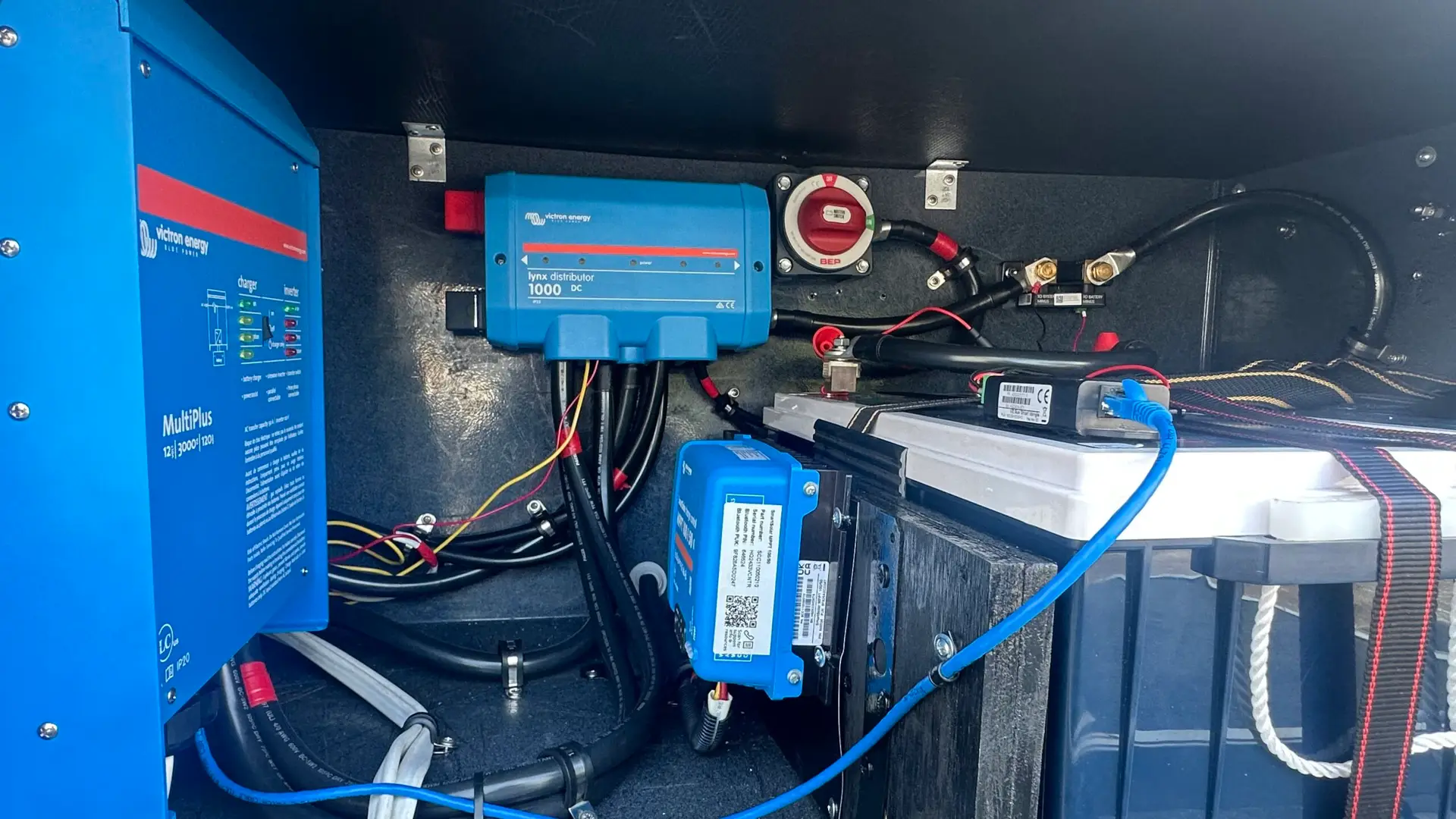
What size inverter does my RV need?
Short answer: add up the watts of everything you will run at the same time, then add about 20% for the startup surge from things like microwaves and compressors. That total is the smallest inverter you should consider. Your battery bank also has to be big enough to supply it.
How to read the table. Most appliances list their watts on a label or in the manual. A microwave rated at 1,000 W of cooking power usually pulls closer to 1,500 W from the inverter. Small electronics like phone chargers, laptops and LED TVs add up to much less than most people expect.
| What you want to run | Typical load at once | Inverter to start with |
|---|---|---|
| Phones, laptop, TV, fans, small electronics | Under 400 W | 375–800 VA inverter |
| Add a microwave or coffee maker (one at a time) | 1,000–1,500 W | 2,000 VA inverter/charger |
| Microwave plus other appliances together, or most of the RV’s outlets | 1,500–2,500 W | 3,000 VA inverter/charger |
Running 120 V appliances for long stretches uses a lot of battery. Pair a bigger inverter with a lithium battery bank and solar sized to match, or use the RV Solar Calculator to size all three together.
Inverter or inverter/charger?
Inverter
Turns battery power into 120 V AC. A good choice for running electronics and small appliances when you already have a separate battery charger.
Inverter/charger
An inverter and a battery charger in one. It runs your outlets from the battery, charges the battery from shore power or a generator, and switches between them automatically. This is what we recommend for most RVs.
Monitoring
Add a Victron GX device or battery monitor to see battery charge, solar input and power use on your phone, at the rig or remotely.
Victron inverter/chargers
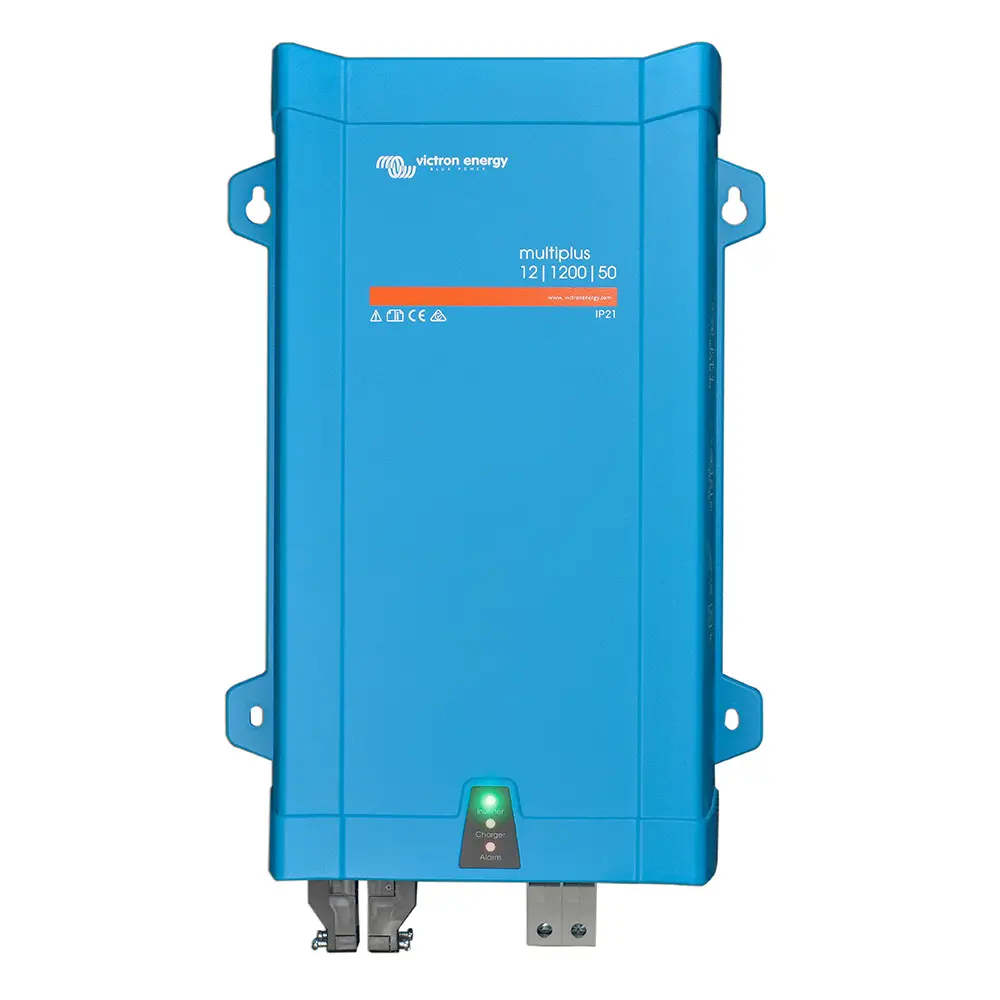
Victron MultiPlus 12/1200/50-16 120V
12 V · 1,200 VA · 50 A charger
$487.05
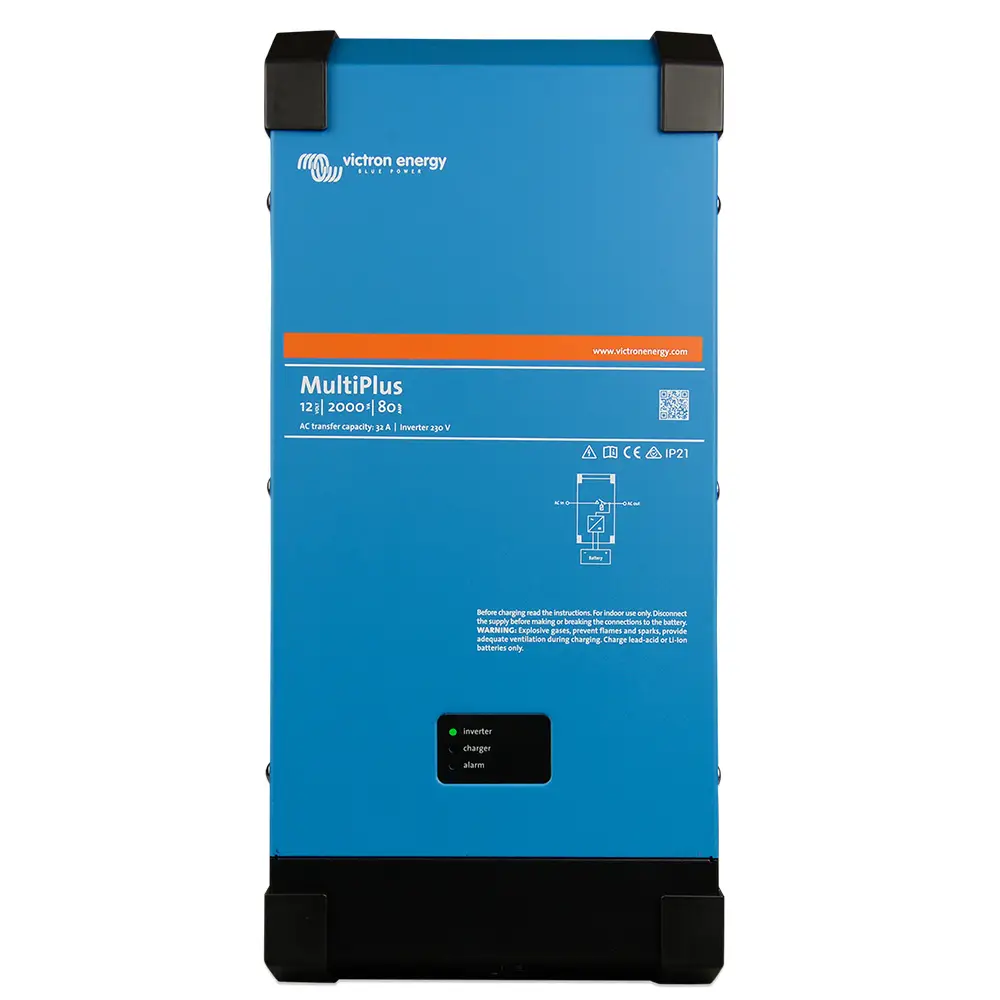
Victron MultiPlus 12/2000/80-50 120V
12 V · 2,000 VA · 80 A charger
$861.90
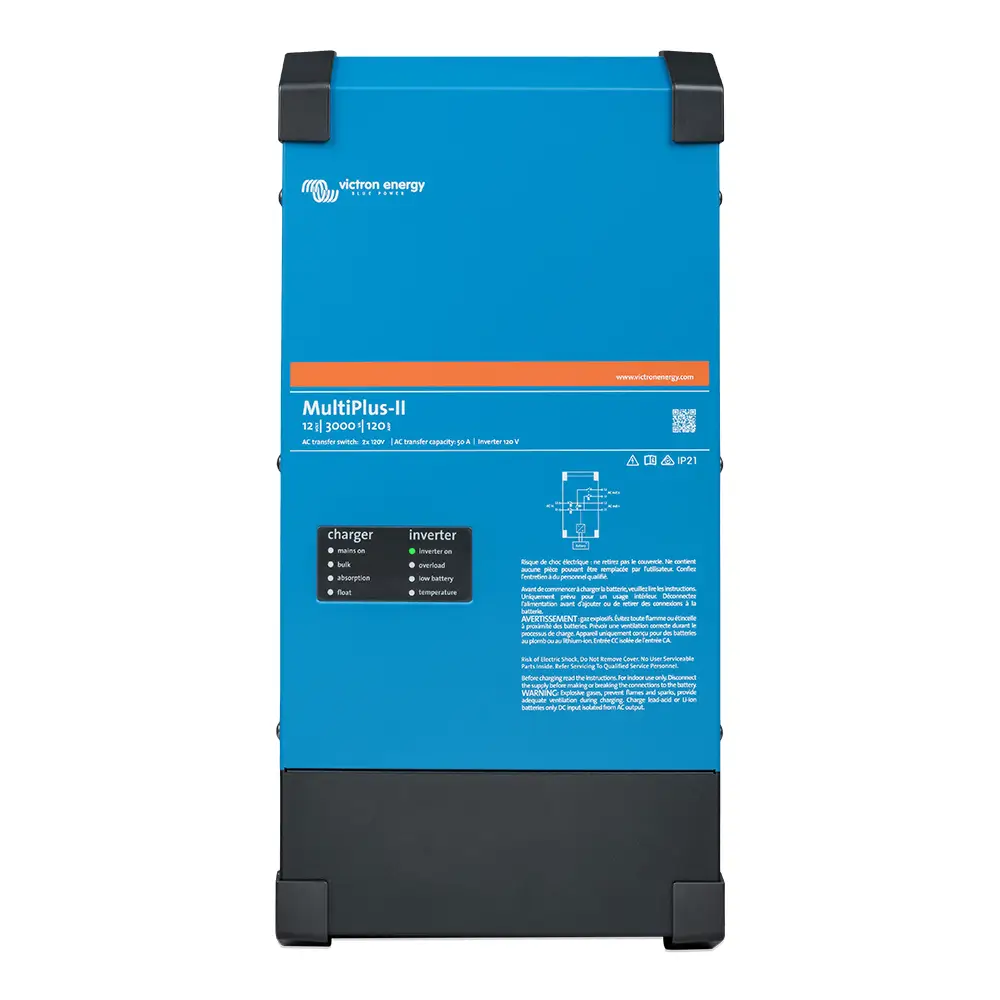
Victron MultiPlus-II 12/3000/120-50 120V
12 V · 3,000 VA · 120 A charger
$902.70
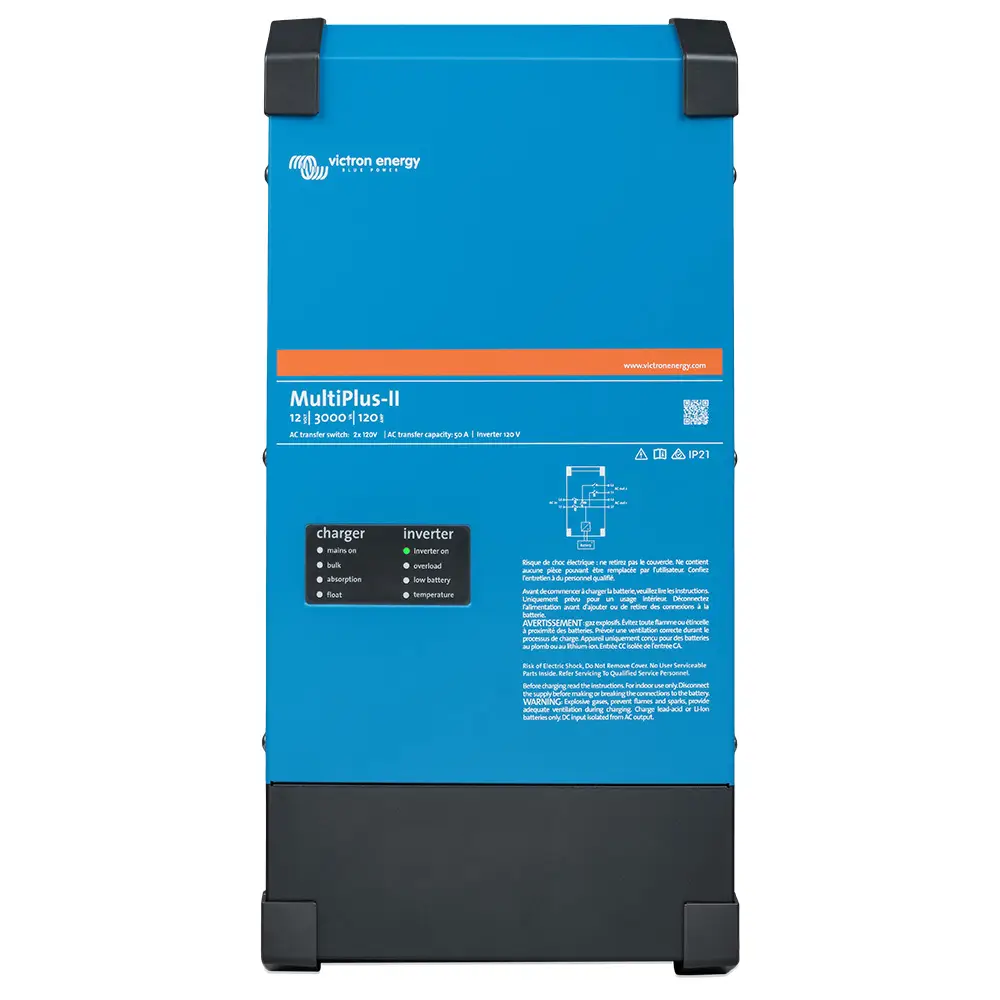
Victron MultiPlus-II 12/3000/120-50 2x120V
12 V · 3,000 VA · 120 A charger · 120/240 V output
$1,088.00
Victron Phoenix inverters
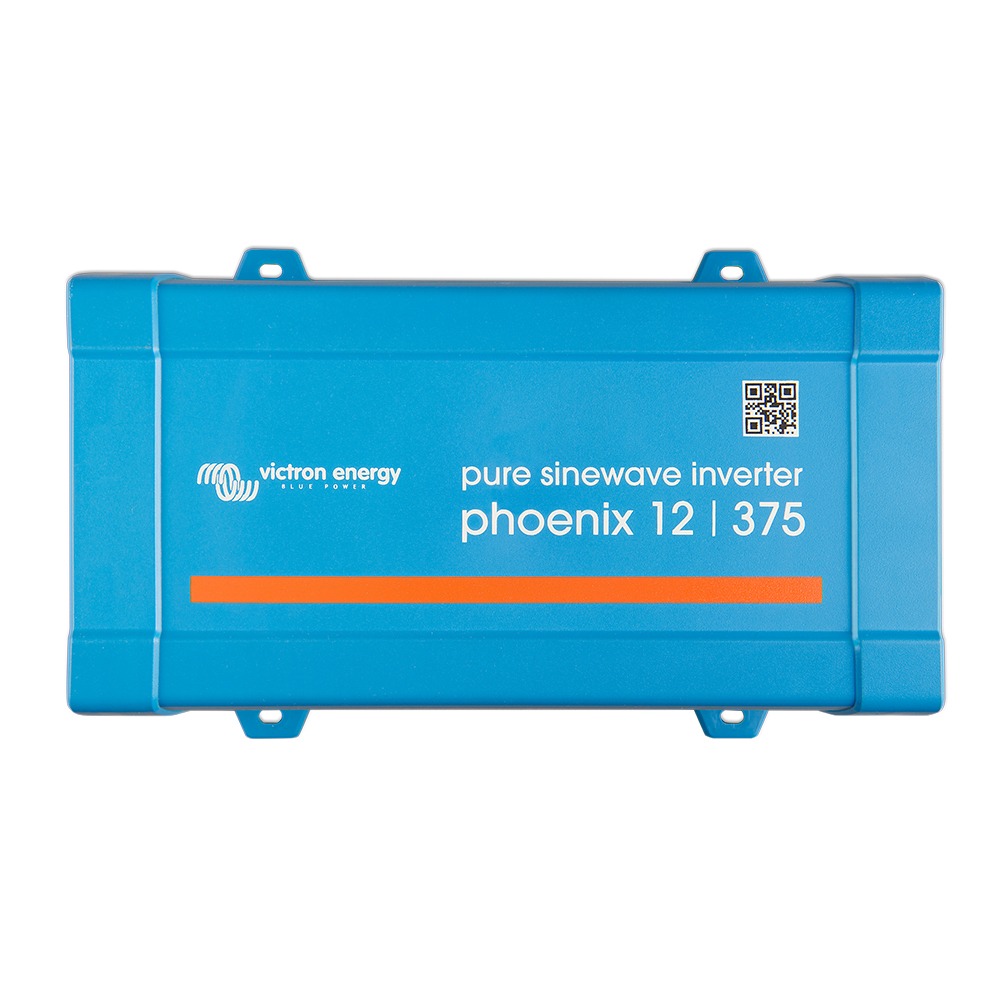
Victron Phoenix Inverter 12/375 120V
12 V · 375 VA · VE.Direct
$123.25
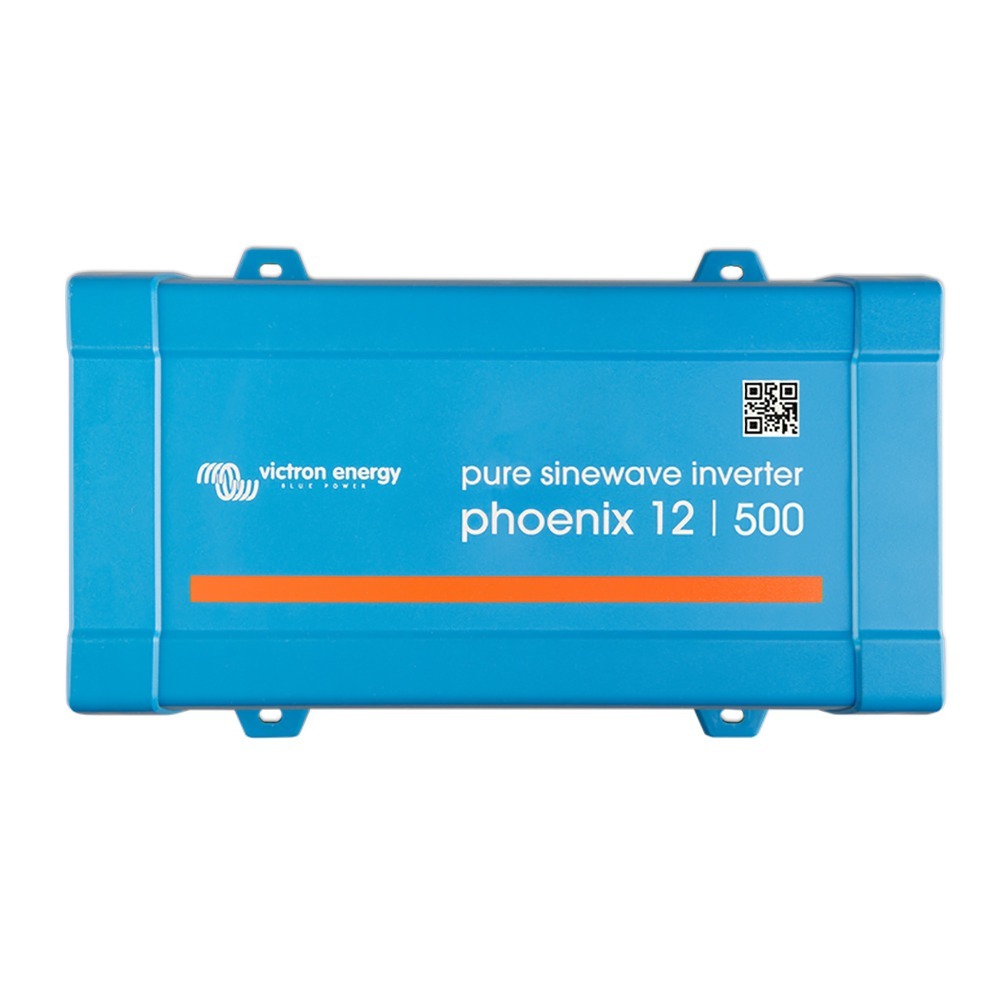
Victron Phoenix Inverter 12/500 120V
12 V · 500 VA · VE.Direct
$153.85
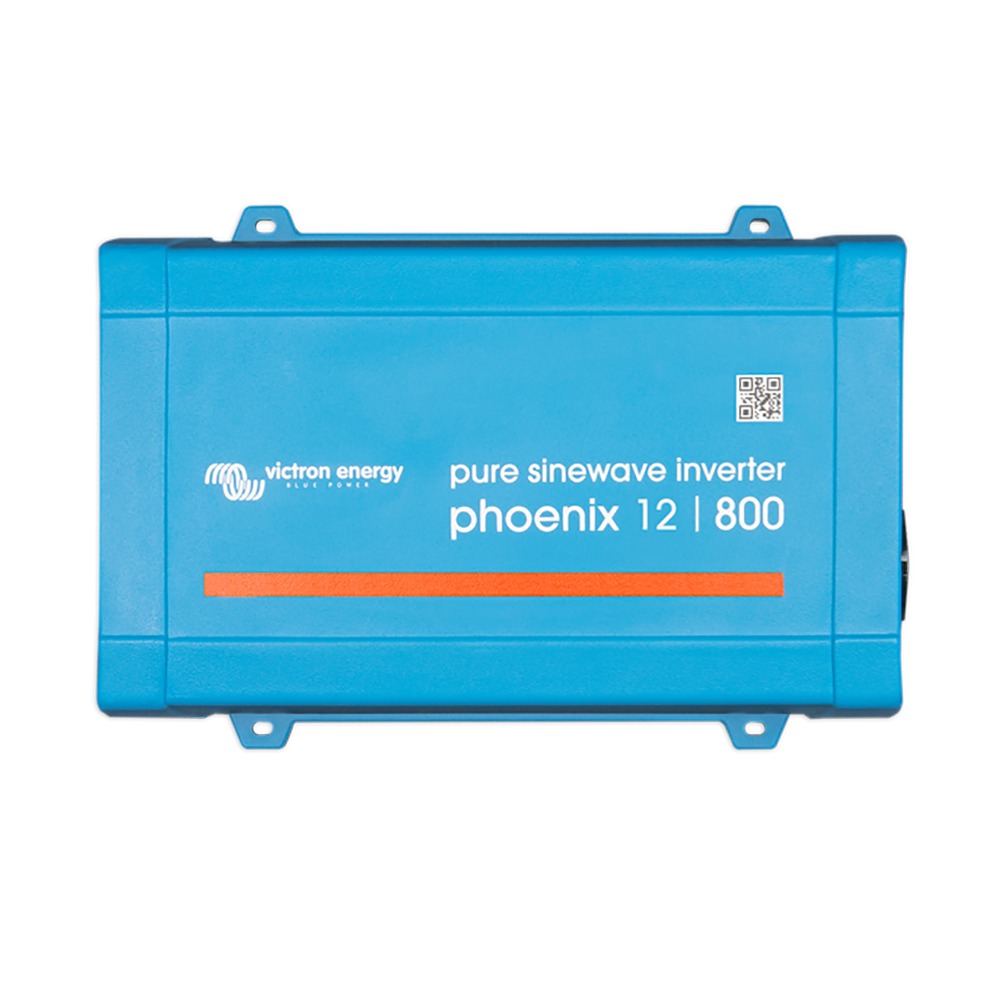
Victron Phoenix Inverter 12/800 120V
12 V · 800 VA · VE.Direct
$266.90
RV inverter FAQ
Are these pure sine wave inverters?
Yes. Victron MultiPlus inverter/chargers and Phoenix inverters put out a pure sine wave, so they are safe for electronics, chargers and motors.
What does VA mean?
VA (volt-amps) is how inverters are rated. For sizing, treat it as close to watts and leave headroom. A 3,000 VA inverter/charger is a good fit for most RVs that run a microwave and other kitchen appliances.
Can an inverter run my RV air conditioner?
Sometimes, but it takes a large inverter/charger, a big lithium battery bank and usually a soft starter on the A/C. Call us and we will tell you what is realistic for your rig.
Do you install inverters?
Yes, at our Clearwater, FL shop. We install Victron MultiPlus inverter/chargers with the right cables, fusing and transfer wiring. Installs are quoted per vehicle.
Want it installed?
We install Victron inverter/chargers and complete power systems at our Clearwater, FL shop. Every install is quoted for your rig.